 Car Care
6 Aug 20261 min read
Sunroof & Safety Films Explained
Cooler cabins, less glare and stronger glass. We explain how premium sunroof and safety films improve comfort, privacy and protection.
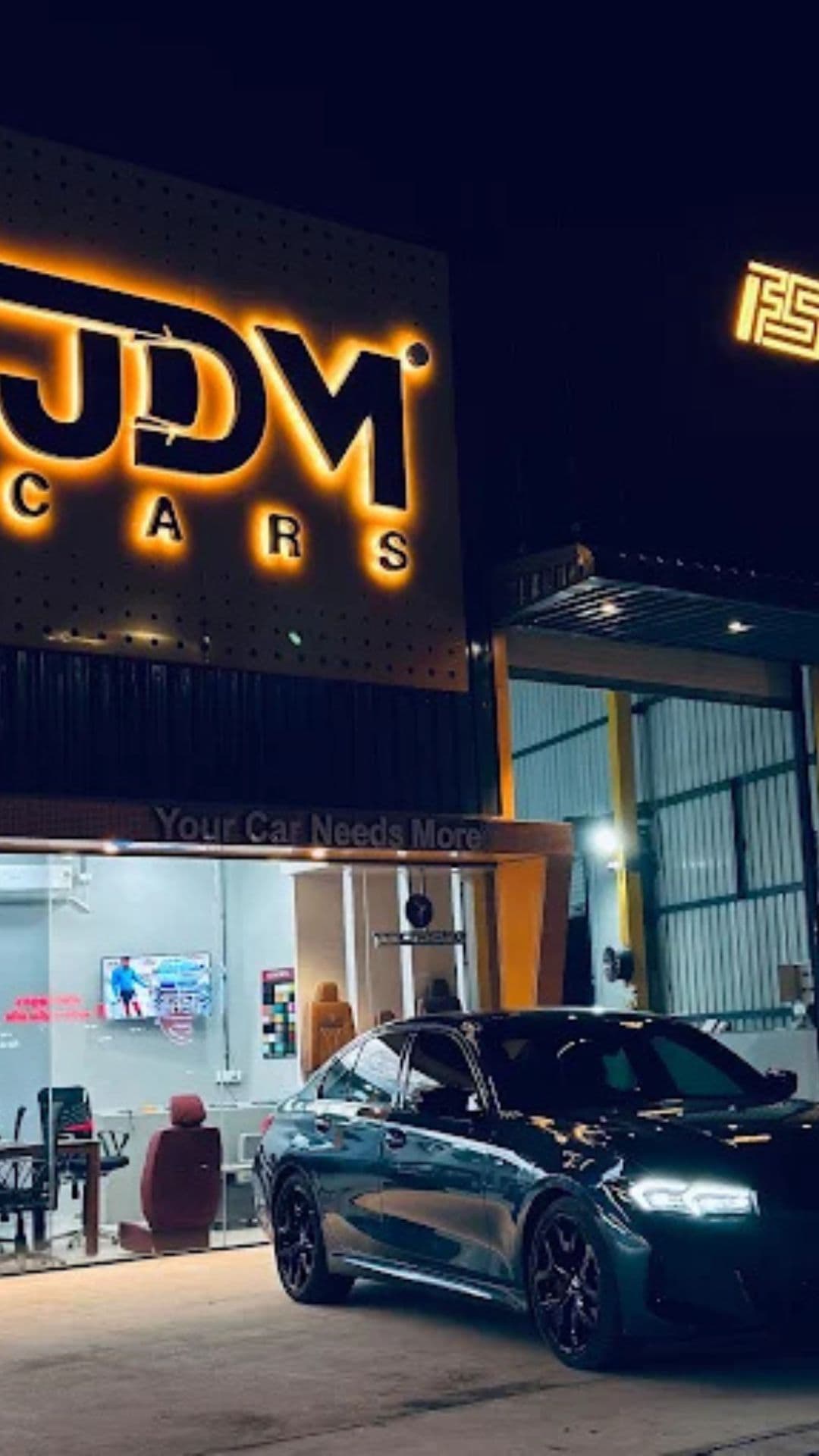
Every studio in the city claims to be "the best." Here's what to actually check before you hand over your car - and your money.
 JDM Cars Editorial
Nobody's car gets wrecked in a single afternoon. It happens in three seasons, quietly, while you're doing completely normal things — driving to work, parking outside, waiting at a signal near Sayajigunj with the sun directly overhead. By the time you notice the paint's gone dull or the cabin smells faintly of damp carpet, it's not sudden. It's been happening since March.
Vadodara doesn't get hurricanes or snow. What it gets is worse for a car, in a slower way: relentless heat, fine construction dust that never fully settles, and a monsoon that turns every parking spot into a humidity chamber.
April to June, surface temperatures on a parked car's bonnet can comfortably cross 60–70°C. UV exposure at that level oxidizes clear coat over time — this is what turns a deep factory shine into a chalky, tired-looking finish. It's gradual enough that owners rarely connect the dots. They just think their car "got old."
Heat also bakes in whatever's sitting on the paint — dust, bird droppings, tree sap — turning a wipeable mark into an etched one if it sits too long.
Between ongoing infrastructure work around the city and the general dryness of a Gujarat summer, fine dust settles on cars daily — even ones parked in covered spaces. The problem isn't the dust sitting there. It's what happens when someone wipes it off with a dry cloth, which is exactly what most people do before a drive. That's essentially fine-grit sanding, and it's why so many daily-driven cars in Vadodara have swirl marks visible in direct sunlight, even if they've never been in an accident.
Gujarat's monsoon is short but intense. The risk isn't the rain itself — it's what happens after. Water sitting in wheel wells, door sills, and the underside of the car, combined with humidity that doesn't fully clear for days, creates ideal conditions for rust to start in spots you can't see during a normal wash.
Covered parking helps, but it's not a full fix — heat still radiates, dust still settles, humidity still lingers. What actually makes a difference is a maintenance rhythm matched to the season: protective measures before summer peaks, and a proper underbody check right after monsoon, rather than waiting until something visibly goes wrong.
- **Before summer:** A ceramic or graphene coating reduces how much heat and UV damage actually reaches the paint, and keeps dust from bonding as aggressively. - **All year:** PPF on high-exposure panels means dust-wipe marks and minor scuffs happen on the film, not your paint. - **After monsoon:** A proper underbody and wheel-well check catches early rust risk before it spreads. - **Ongoing:** Wash with proper technique (or have it done professionally) rather than a quick dry wipe-down.
**Does Vadodara's heat actually damage car paint?** Yes. Sustained high surface temperatures and UV exposure oxidize clear coat over time, leading to fading and a duller finish. This happens gradually, which is why it's often mistaken for normal ageing.
**Can monsoon cause rust even if I park undercover?** Yes. Trapped humidity and water in wheel wells, sills and the underbody can start rust regardless of parking cover, since the issue is moisture that doesn't fully evaporate, not direct rainfall alone.
**Does wiping dust off with a dry cloth actually damage paint?** Yes, over repeated use. Dry-wiping drags grit across the clear coat, which is the most common cause of fine swirl marks visible in direct sunlight on daily-driven cars.
**What's the single best thing to do before summer starts?** A protective coating or PPF application before peak heat reduces cumulative UV and dust damage far more effectively than trying to correct it afterward.
---
*If your car's due for a season-proofing check, [get in touch](/contact) — we'll tell you honestly what it needs and what it doesn't.*
Car CareCooler cabins, less glare and stronger glass. We explain how premium sunroof and safety films improve comfort, privacy and protection.
Car care tips, exclusive offers and the latest from our detailing and protection studio — delivered straight to your inbox. No spam, ever.
