 Customization
14 Aug 20263 min read
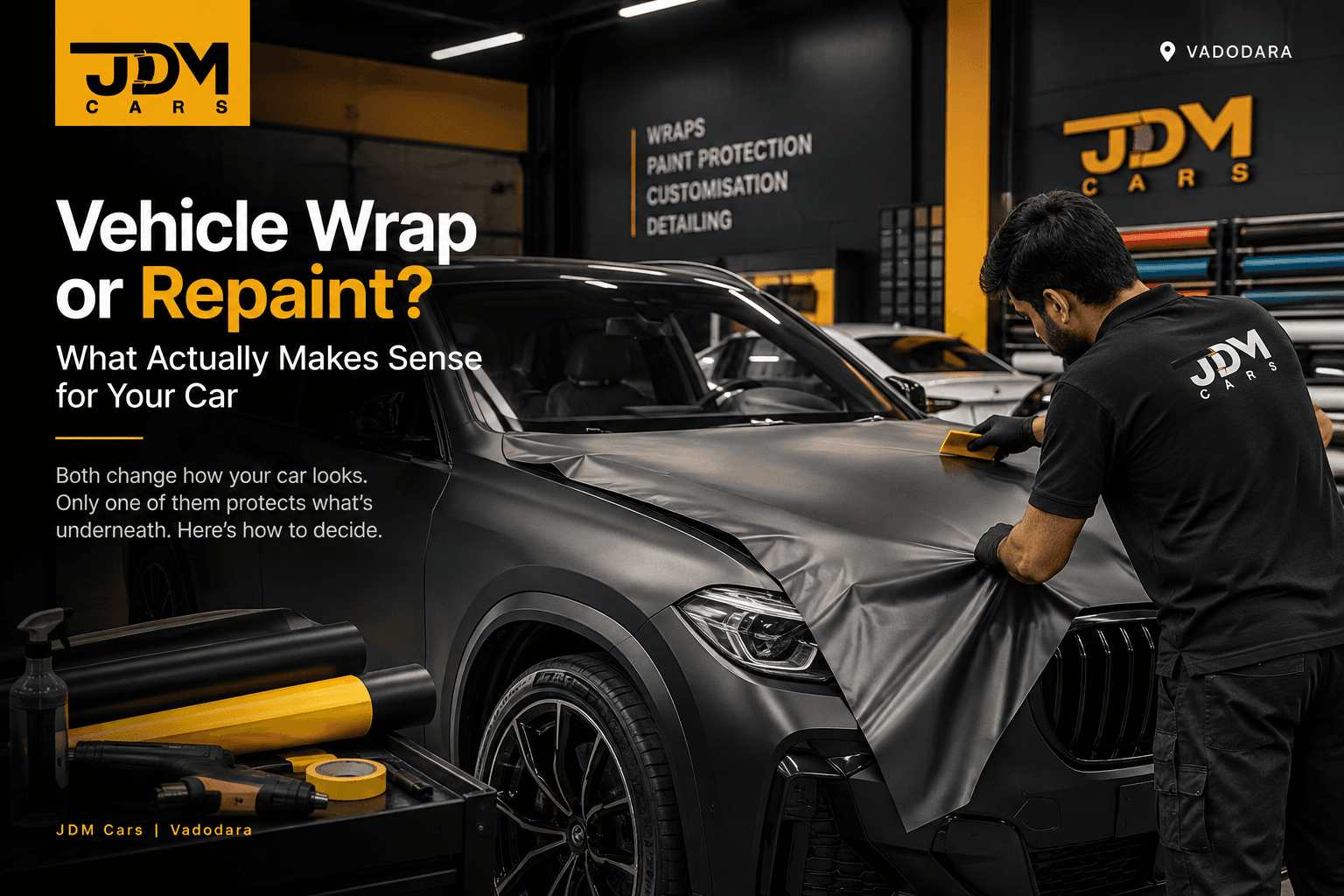
Vehicle Wrap or Repaint? What Actually Makes Sense for Your Car
Both change how your car looks. Only one of them protects what's underneath. Here's how to decide.
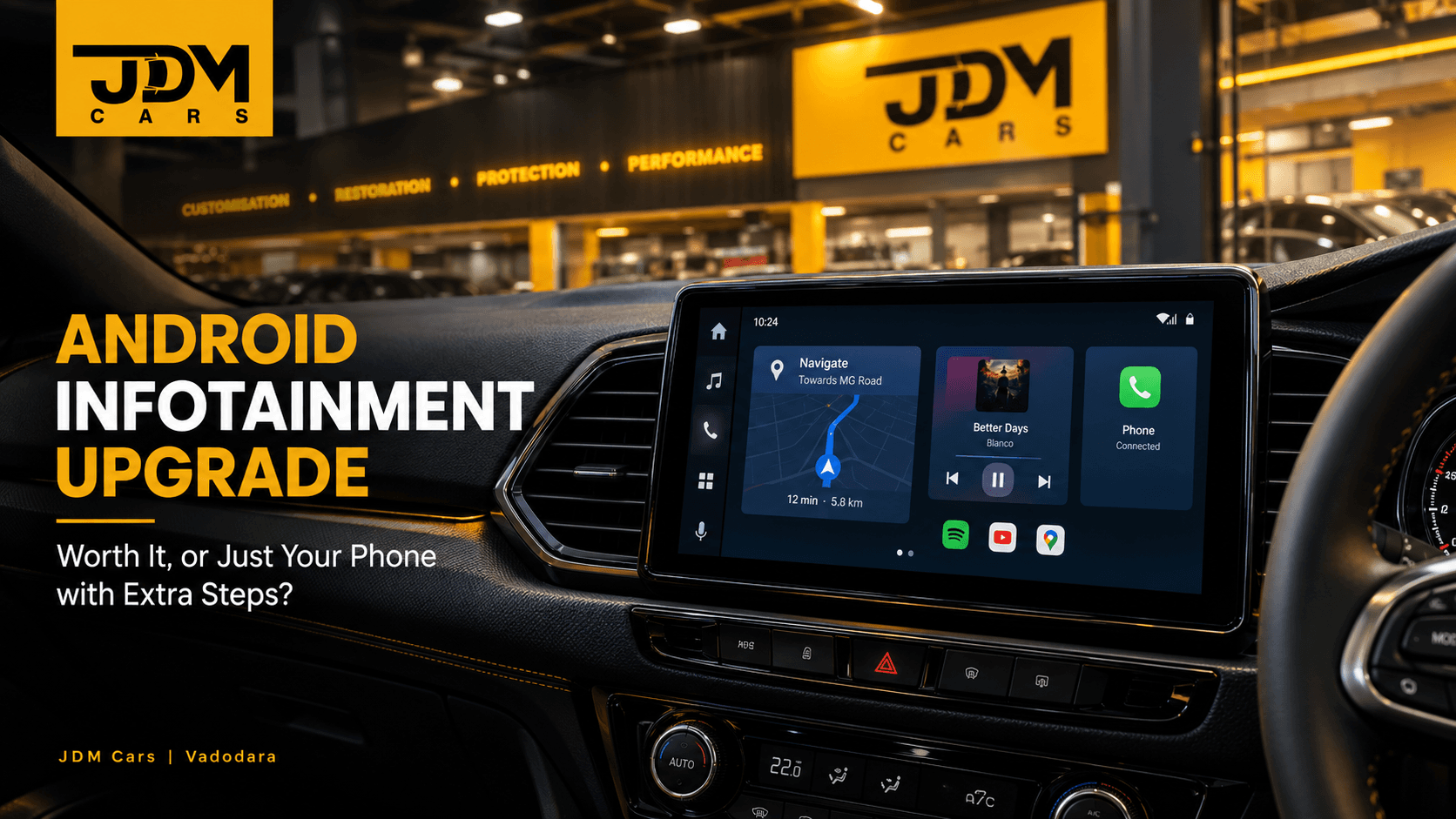
Your phone already does navigation and music. Here's what a real infotainment upgrade adds that mirroring your screen doesn't.
 JDM Cars Editorial
If your car already has wireless Android Auto or CarPlay working smoothly, an infotainment upgrade is about screen size, speed and extra features, not about fixing something broken. If your car has an old, laggy stock unit or none at all, the upgrade adds real functionality your phone can't replicate on its own: a larger screen, built-in navigation and music, Bluetooth and smartphone integration, and a system that doesn't depend on your phone being plugged in.
Phone mirroring is good for navigation, calls and music. A dedicated Android infotainment unit adds what mirroring doesn't cover: a bigger, sharper touchscreen, apps and settings that live on the unit itself, camera integration on one screen, and a modern interface in older cars where the factory stereo has a tiny display or none at all.
Many factory units, especially on cars a few years old, run on slow processors that lag once navigation, a call and music are all running together. Screen size and touch response are the two biggest complaints. Small, low-resolution displays with delayed touch make simple tasks like changing a track or the AC setting more distracting than they should be while driving.
Not every upgrade is a drop-in swap. Confirm these before you commit:
- Dashboard fit: whether the new unit fits your car's existing cutout or needs a frame adapter - Steering wheel controls: whether volume and call buttons will still work - Reverse camera and sensors: whether your existing camera connects directly or needs extra wiring
It's a fair question, and the answer varies by car brand and how the installation is done. An installation that uses proper harnesses and connectors instead of cutting factory wiring is far less likely to cause problems than a rushed job. Ask exactly how it will be installed, especially if your car is still under manufacturer warranty.
Often yes, and arguably more than for a newer one. A 6-8 year old car with a small non-touch stereo sees the biggest day-to-day improvement, since the starting point is furthest from what a modern system offers. If your car already has a smooth factory system, the upgrade is a preference, not a necessity.
## FAQs
No. Android Auto mirrors certain phone apps onto your existing screen. An infotainment upgrade replaces the unit itself, with a larger screen, faster processor and features that work without mirroring.
It depends on the car brand and how the installation is done. A professional install that uses proper harnesses rather than cutting factory wiring is much less likely to cause warranty issues. Ask your installer directly.
In most cases yes, provided the new unit is properly integrated with the car's steering control wiring. Confirm this before the upgrade, especially on older or less common models.
If mirroring works smoothly, the case comes down to screen size, speed and features. It's a preference upgrade, not a necessary one.
Visit JDM Cars, Vadodara. We’ll help you choose what’s right for your car.
CustomizationBoth change how your car looks. Only one of them protects what's underneath. Here's how to decide.
 Customization
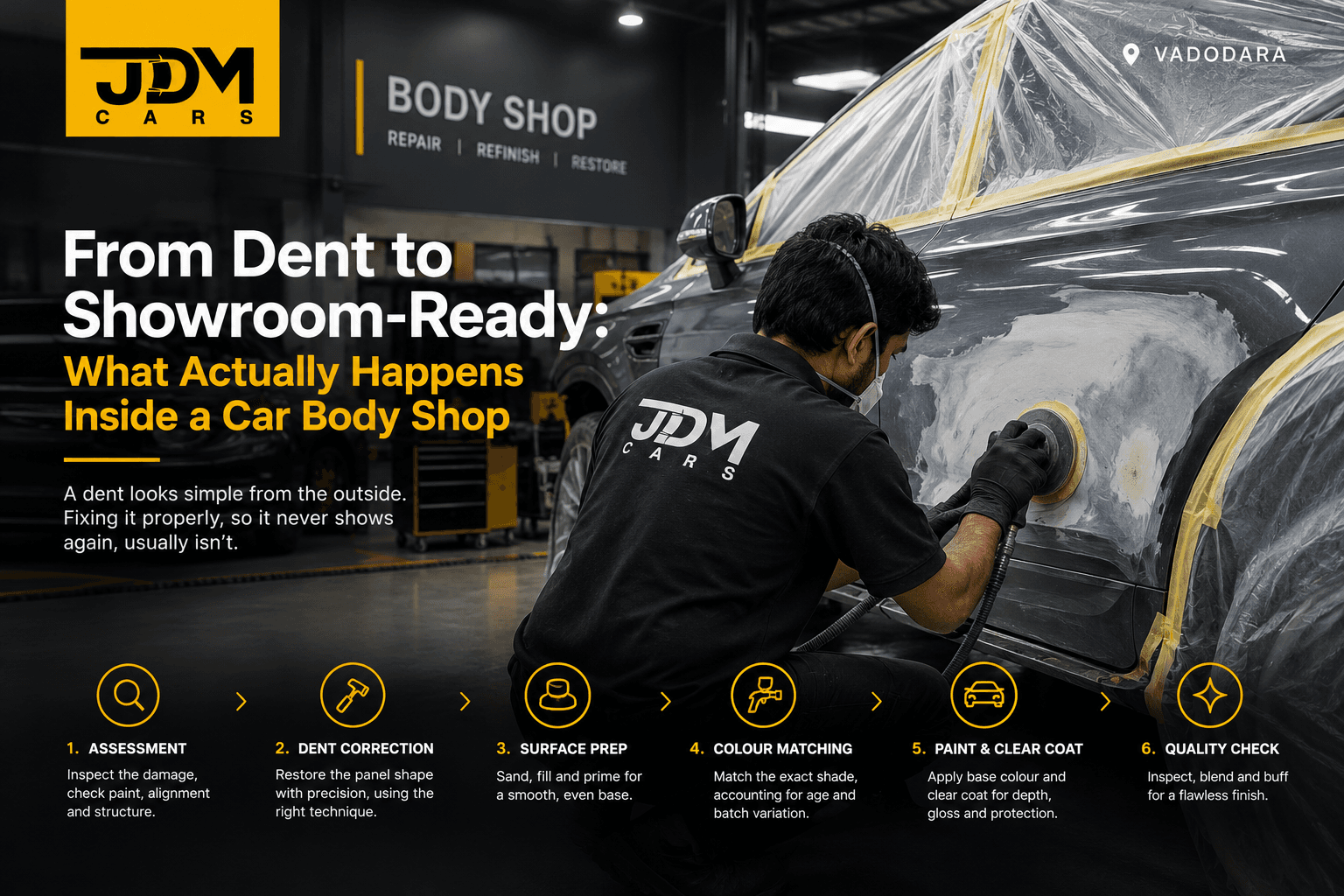
A dent looks simple from the outside. Fixing it properly, so it never shows again, usually isn't.
 Customization
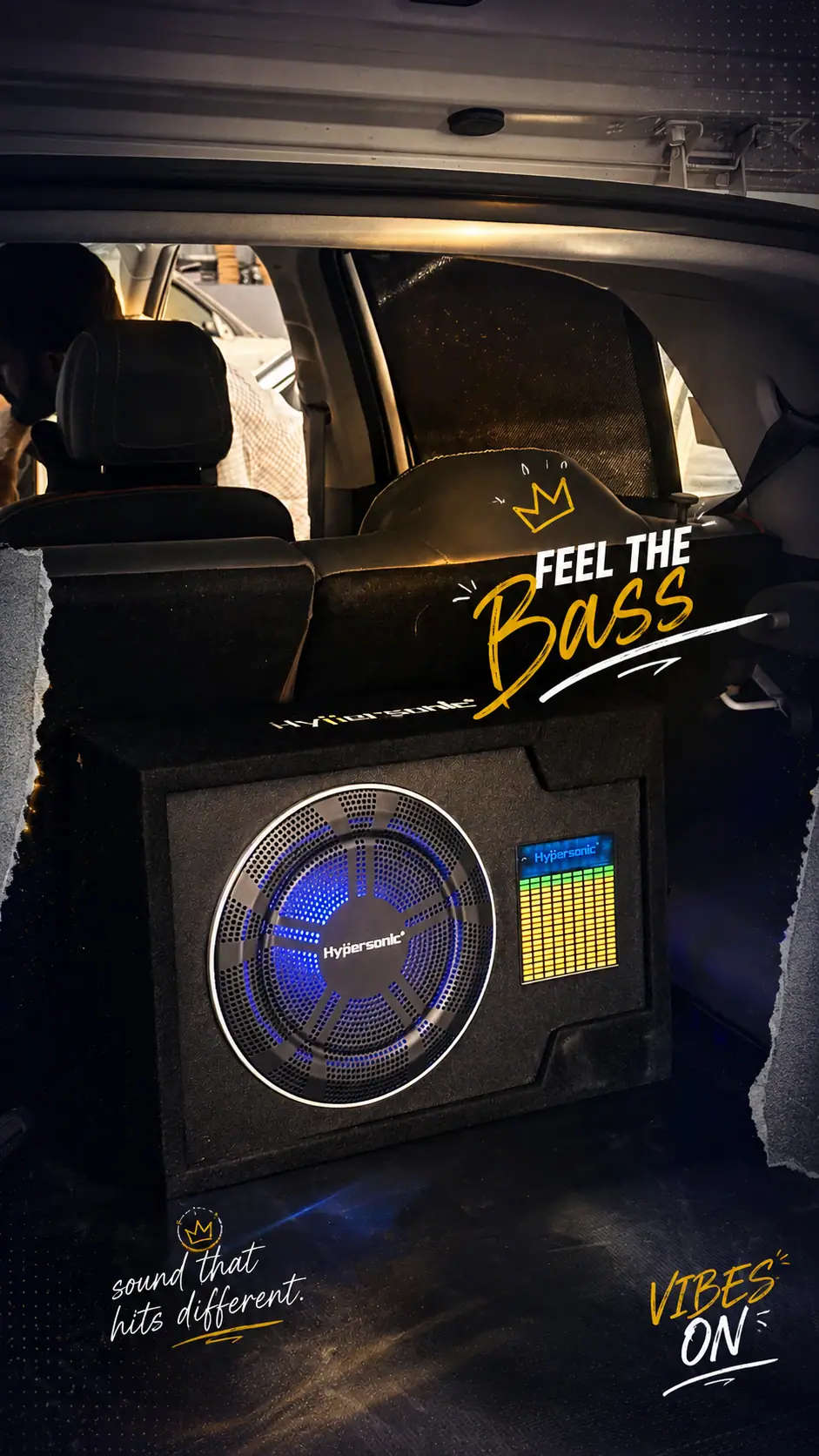
From speakers and amplifiers to subwoofers and sound damping, here's how to build a car audio system that delivers real, concert-grade clarity.
Car care tips, exclusive offers and the latest from our detailing and protection studio — delivered straight to your inbox. No spam, ever.

