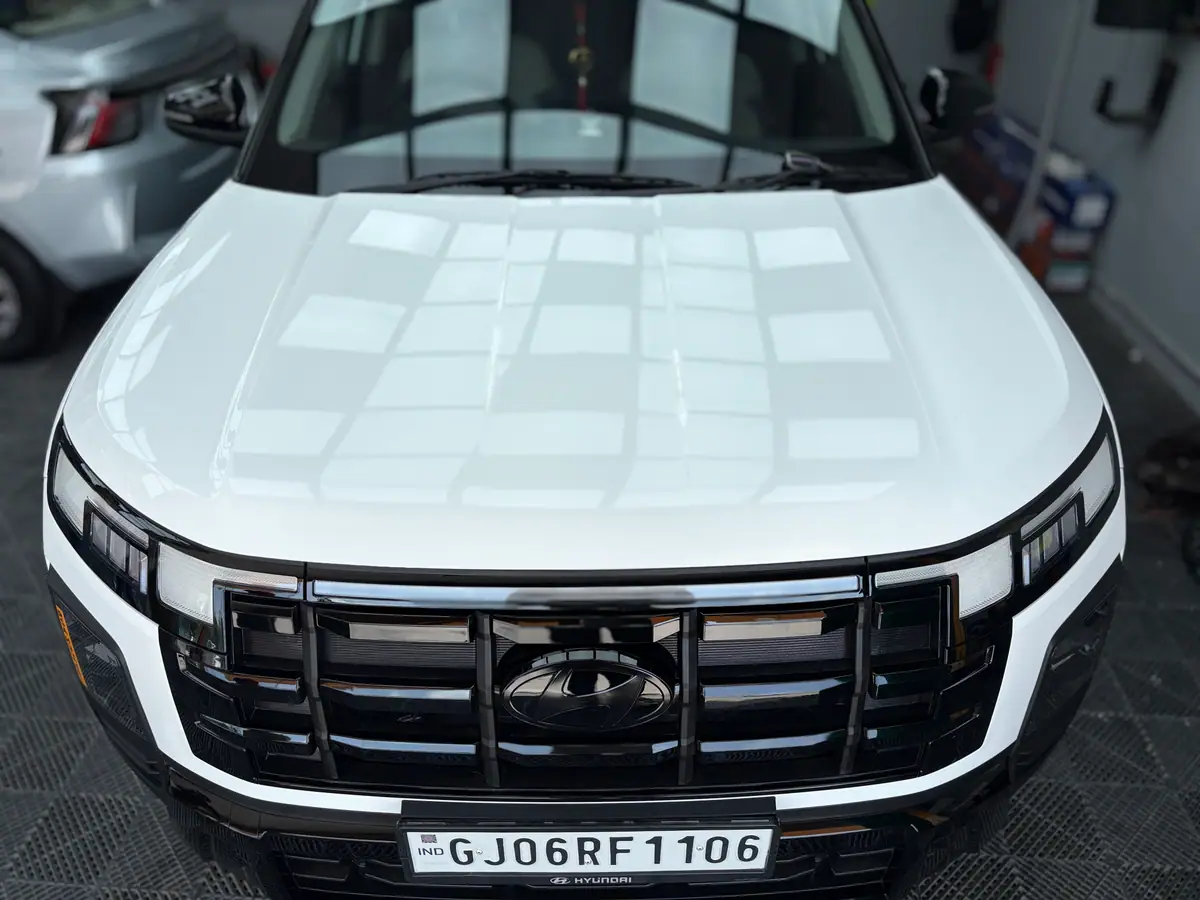
 Paint Protection
6 Aug 20262 min read
Understanding Graphene Coating
The next step beyond ceramic. Learn how graphene coatings deliver deeper gloss, stronger hydrophobics and longer-lasting protection for your paint.
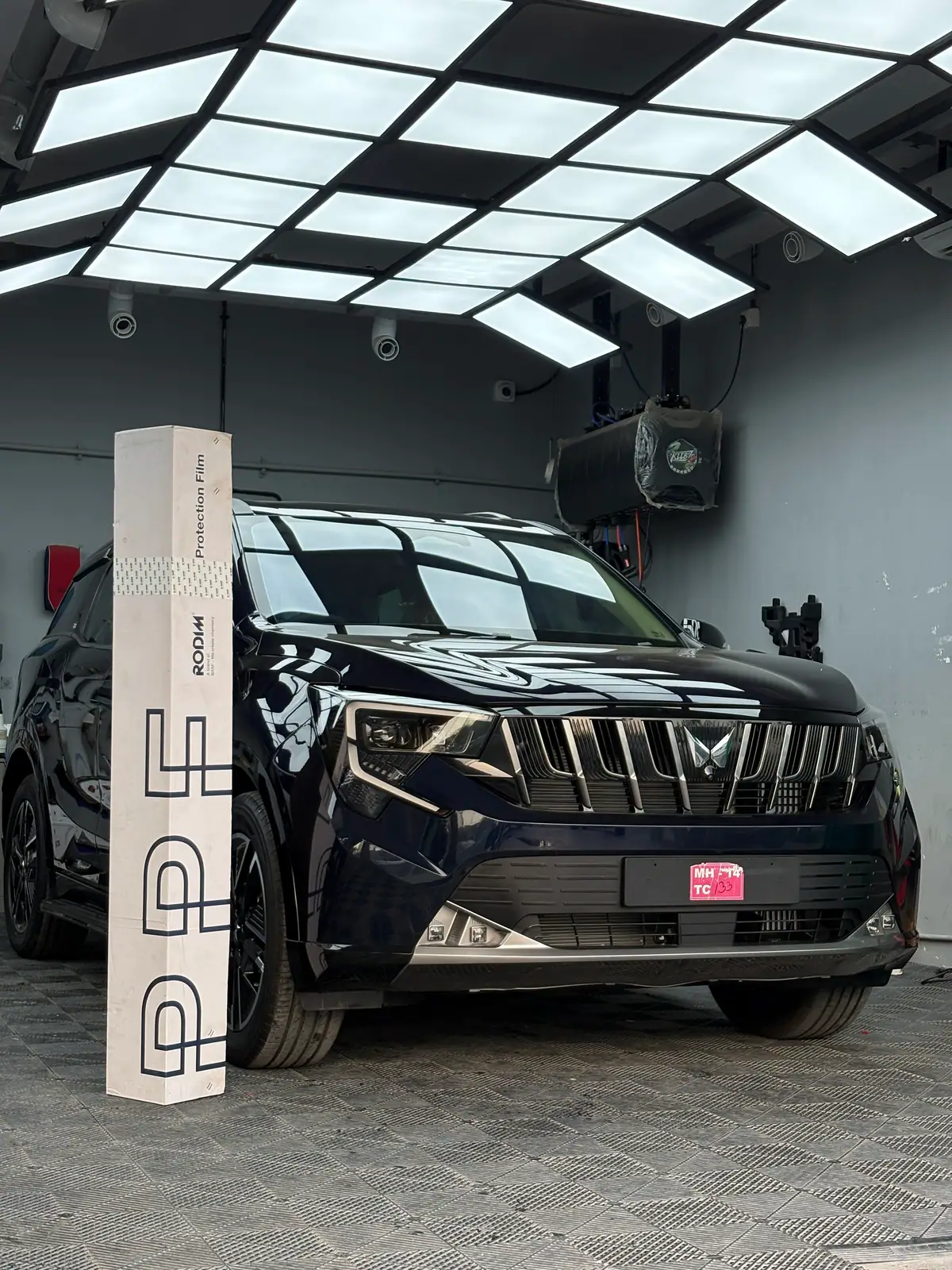
Both protect your paint, but in very different ways. We break down how Paint Protection Film and ceramic coating work — and why combining them gives the ultimate protection.
 Rajkumar Wadhwa
Paint Protection Film (PPF) and ceramic coating get lumped together because they're both sold as "paint protection," but they solve different problems. PPF is a thick, physical urethane film applied to your panels — it's built to absorb impact. Ceramic coating is a thin chemical layer that bonds to the clear coat and changes how the surface behaves, not how much it can take.
If you think of your car's paint like skin, PPF is closer to a protective jacket, while ceramic coating is closer to a barrier cream. One resists damage, the other resists staining and makes cleaning easier.
PPF is designed for mechanical protection: stone chips on the highway, minor scuffs from parking, swirl marks from repeated washing, and everyday scratches from branches or bags brushing against the car. Quality film is self-healing — light swirl marks disappear with a bit of warmth from the sun or hot water.
It's typically applied to high-impact zones first: the front bumper, bonnet, mirrors and door edges, though full-body coverage is increasingly common for owners who want complete peace of mind.
Ceramic and graphene coatings don't stop stone chips. What they do is create a hydrophobic, chemically resistant layer that repels water, dirt, bird droppings and UV oxidation, and adds a noticeably deeper gloss. Because water and grime don't cling to the surface, your car stays visibly cleaner for longer and washing takes a fraction of the effort.
Graphene coatings build on ceramic chemistry with better heat resistance and an even glossier, more durable finish — worth considering if you want the longest interval between top-ups.
If you drive daily on Vadodara's roads and worry about chips and scratches, PPF is the priority. If your main concern is keeping the paint glossy and easy to clean, ceramic or graphene coating gets you there. Most owners who want the best of both get PPF on impact-prone panels and a ceramic or graphene layer over the whole car — the film handles the physical damage, the coating handles everything else.
Either way, both should go over a fully corrected, swirl-free paint surface for the best long-term result — which is why we always start with an inspection before recommending either service.
Paint ProtectionThe next step beyond ceramic. Learn how graphene coatings deliver deeper gloss, stronger hydrophobics and longer-lasting protection for your paint.
Car care tips, exclusive offers and the latest from our detailing and protection studio — delivered straight to your inbox. No spam, ever.
